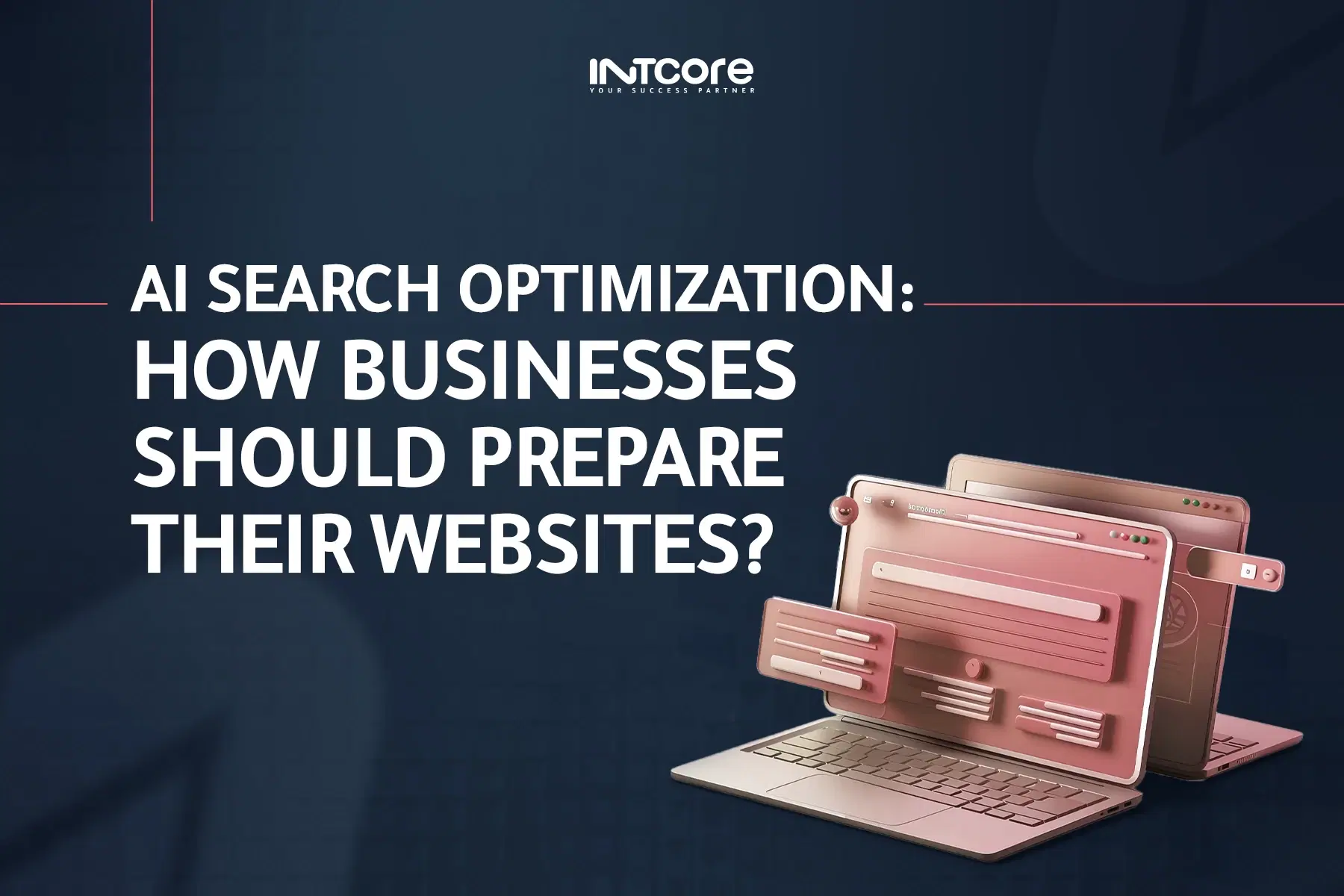
Search has changed dramatically over the last two years. Businesses are no longer competing solely for rankings on traditional search engine results pages. Today, users increasingly receive answers directly from AI-powered platforms such as ChatGPT, Google AI Overviews, Gemini, Perplexity, and other generative search tools.
This shift means that ranking on page one is no longer enough. Businesses must now optimize their websites to become trusted sources that AI systems reference, summarize, and cite.
This new shift is commonly known as AI Search Optimization (AI SEO), Generative Engine Optimization (GEO), or Answer Engine Optimization (AEO). Regardless of the name, the goal remains the same: ensuring your business is visible where modern searchers are actually getting their answers. Recent studies show that AI-generated search experiences now appear for a great percentage of search queries, making AI visibility a critical component of digital marketing strategies in 2026.
Why Traditional SEO Alone Is No Longer Enough
For years, SEO focused on improving rankings for keywords and driving clicks to websites. While these fundamentals still matter, AI-powered search introduces a new challenge.
Instead of presenting users with a list of links, AI systems generate direct answers by extracting information from multiple sources and summarizing them into a single response. The businesses that get cited become visible; those that don't may never enter the user's consideration set.
This shift has created a new success metric:
Can AI systems understand, trust, and cite your content?
Businesses that continue depending only on traditional SEO tactics risk losing visibility as search evolves toward answer-first experiences.
What AI Search Engines Look For
AI systems evaluate websites differently than traditional search algorithms.
While factors such as authority, backlinks, and technical SEO remain important, AI platforms place additional emphasis on:
- Clear and direct answers
- Structured content
- Entity recognition
- Expertise
- Trustworthy sources
- Contextual relevance
- Machine-readable data
In simple terms, AI prefers content that is easy to understand, verify, and summarize. Websites that provide concise answers, factual information, and clear topic relationships are more likely to be referenced in AI-generated responses.
1. Build Content Around Topics, Not Just Keywords
Many businesses still create content targeting individual keywords. In 2026, topical authority is often more valuable than keyword density.
AI systems analyze relationships between concepts, services, industries, and entities. Businesses should develop comprehensive content ecosystems that demonstrate expertise across an entire subject area.
For example, a software development company should not only publish articles about mobile app development but also cover:
- UX/UI design
- Cloud infrastructure
- DevOps
- Cybersecurity
- API integrations
- Digital transformation
- Software architecture
The more complete your knowledge coverage becomes, the more likely AI systems are to view your website as an authoritative source.
2. Structure Content for AI Readability
One of the biggest mistakes businesses make is hiding valuable answers inside long blocks of text.
AI systems favor content that is easy to extract and summarize.
To improve AI readability:
- Use clear H1, H2, and H3 headings
- Answer questions early in the content
- Include bullet points and numbered lists
- Keep paragraphs concise
- Add FAQs where appropriate
- Create dedicated knowledge pages
Think of every page as a resource that an AI assistant may quote directly when answering a user's question. Clear structure increases the likelihood of being cited.
3. Implement Structured Data and Schema Markup
Structured data has become one of the most important technical elements of AI Search Optimization.
Schema markup helps search engines and AI systems understand:
- Your organization
- Services
- Products
- Articles
- FAQs
- Reviews
- Authors
- Locations
Rather than simply helping generate rich search results, schema now acts as a machine-readable layer that helps AI platforms identify entities and relationships across your website.
Businesses should prioritize:
- Organization Schema
- Article Schema
- FAQ Schema
- Service Schema
- Product Schema
- Local Business Schema
- Author Schema
Proper implementation improves content comprehension and increases the chances of AI systems correctly attributing information to your brand.
4. Strengthen Your E-E-A-T Signals
Google's concept of Experience, Expertise, Authoritativeness, and Trustworthiness (E-E-A-T) has become increasingly important in the AI era.
AI systems are more likely to reference content from sources that demonstrate:
- Real-world experience
- Industry expertise
- Professional credentials
- Verified company information
- Transparent authorship
Businesses should showcase:
- Expert authors
- Team credentials
- Case studies
- Client success stories
- Industry certifications
- Awards and recognitions
The goal is to help both humans and AI systems recognize your organization as a trustworthy source of information.
5. Create Original Insights AI Cannot Replicate
Generic content is becoming less effective.
AI-generated summaries can easily replace basic information. What AI cannot easily replicate is your company's unique experience, research, and proprietary knowledge.
Examples include:
- Industry surveys
- Original research
- Customer data analysis
- Benchmark reports
- Case studies
- Expert commentary
- Real-world implementation insights
Original insights make your content more valuable and significantly increase the likelihood of being cited by AI systems.
6. Optimize for Conversational Search
Users are increasingly searching with natural language instead of short keyword phrases.
Instead of typing:
"ERP software UAE"
Users may ask:
"What is the best ERP software for a growing manufacturing company in the UAE?"
Businesses should adapt by creating content that answers real questions and mirrors how people speak to AI assistants.
Effective formats include:
- FAQ pages
- Question-based blog posts
- Comparison pages
- Step-by-step guides
- Industry explainers
Conversational content aligns closely with how AI platforms process and answer user queries.
7. Focus on Brand Authority Beyond Your Website
AI systems evaluate information across the web, not just on your domain.
Your brand should maintain a consistent presence across:
- Industry publications
- Professional directories
- Podcasts
- News websites
- Social media platforms
- Community discussions
- Business listings
The more frequently your company is mentioned by credible third-party sources, the stronger your overall authority becomes.
In the AI era, visibility is increasingly driven by entity recognition and brand credibility across multiple channels.
8. Monitor AI Search Visibility
Businesses should begin measuring more than rankings and organic traffic.
New metrics include:
- AI citations
- Brand mentions in AI-generated answers
- Referral traffic from AI platforms
- Branded search growth
- Entity visibility
- Share of voice in AI responses
As AI search continues to evolve, these indicators will become increasingly important for evaluating digital marketing performance.
The Future of Search Belongs to Trusted Sources
The businesses that succeed in 2026 will not simply rank higher. They will become the sources that AI systems trust enough to reference.
AI Search Optimization is not replacing SEO, it is expanding it.
Organizations that invest in structured content, technical excellence, topical authority, original insights, and brand credibility will be best positioned to thrive as AI-powered search becomes the primary way people discover information online.
For forward-thinking businesses, the question is no longer whether AI search will impact visibility. The question is whether your website is prepared to be part of the answers users receive.
How Intcore Can Help
At Intcore, we help businesses build websites and digital platforms that are ready for the future of search. From technical SEO and structured data implementation to content architecture, performance optimization, and digital transformation solutions, our team ensures your online presence is designed not only for search engines but also for AI-powered discovery platforms.
As search continues evolving in 2026 and beyond, businesses that prepare today will gain a significant competitive advantage tomorrow.
Want to get started with AI SEO? Contact us now!