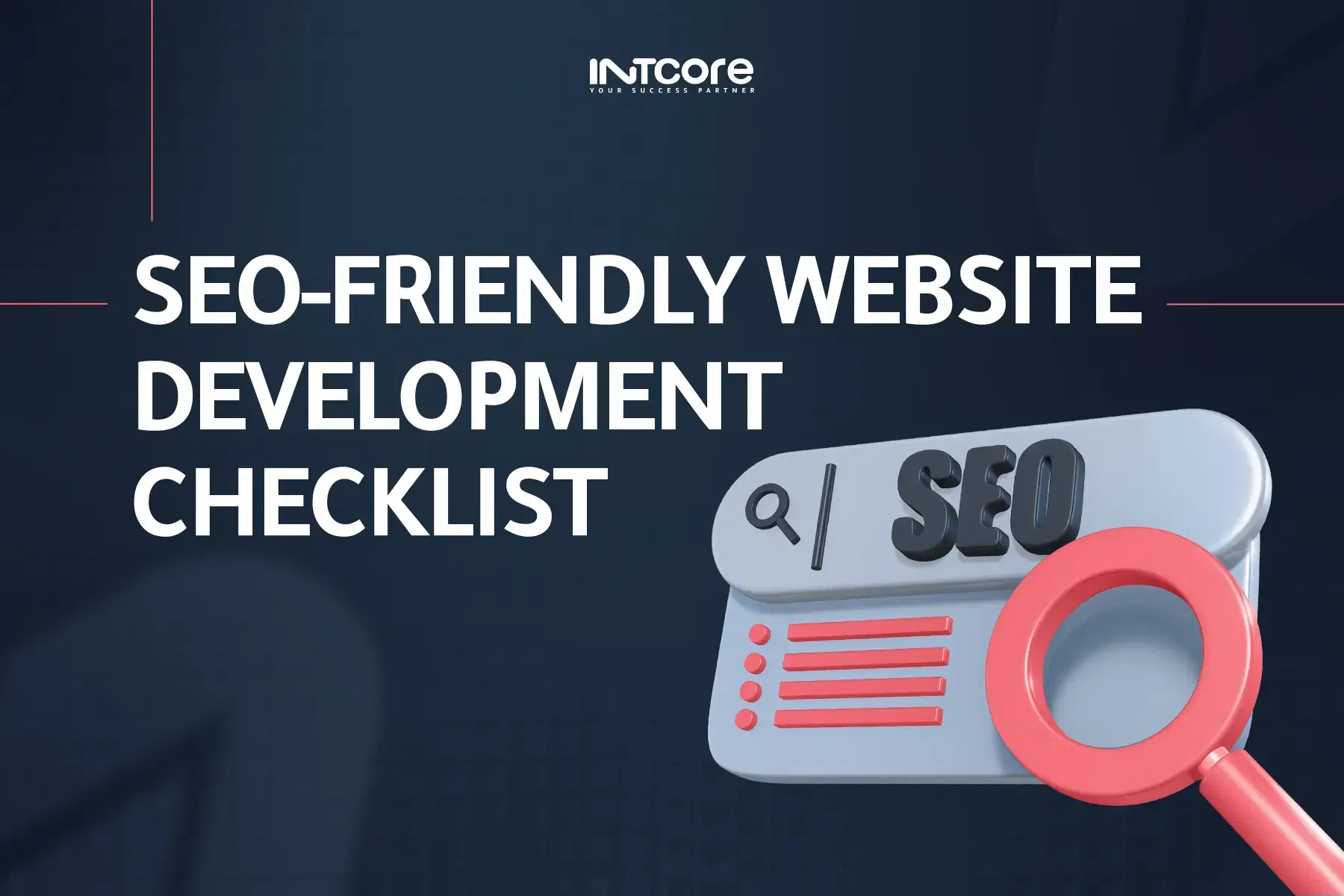
Website development in 2026 is about making sure your site is search engine-and AI ready. SEO is no longer something you “add later.” It must be built into the development process itself.
This checklist will help developers, marketers, and business owners ensure their website is fully optimized for Google search, AI-driven search engines, and user experience.
1. SEO-Ready Website Architecture
A strong SEO foundation starts with how your website is structured.
Key actions:
- Use a clear hierarchy (Home → Category → Subcategory → Pages)
- Keep URLs short, readable, and keyword-based
- Good: /services/web-development
- Bad: /page?id=12345
- Create a logical internal linking structure
Why it matters:
Search engines and AI crawlers now prioritize context and structure over keyword repetition.
2. Mobile-First & Core Web Vitals Optimization
Google now evaluates your website primarily based on mobile performance.
Checklist:
- Fully responsive design (mobile, tablet, desktop)
- Compress images using modern formats (WebP / AVIF)
- Use lazy loading for images and videos
- Minimize unnecessary JavaScript
Why it matters:
Performance is now a direct ranking factor and conversion factor.
3. SEO-Friendly URL Structure & Slugs
Clean URLs improve indexing and click-through rates.
Best practices:
- Use lowercase URLs
- Separate words with hyphens (-)
- Include primary keywords naturally
- Avoid parameters and unnecessary folders
Example:
- Don't do: /services/webdev123
- Do: /services/web-development
4. Technical SEO Foundation
This is where many websites fail.
Must-have elements:
- XML sitemap (auto-updated)
- Robots.txt properly configured
- Canonical tags to prevent duplicate content
- HTTPS enabled (SSL certificate)
- Structured redirects (301, not 302 for permanent changes)
- Fix broken links and crawl errors
5. Schema Markup (Structured Data)
In 2026, structured data is critical for AI search visibility.
Implement schema for:
- Organization
- Local Business (if applicable)
- Services
- Articles / Blogs
- FAQs
- Reviews
Why it matters:
Schema helps search engines and AI tools understand context, not just content.
6. On-Page SEO Integration During Development
SEO should be built into templates, not added manually later.
Checklist:
- One H1 per page only
- Proper heading structure (H2 → H3 → H4)
- Meta title and description templates
- Keyword-optimized but natural content structure
- Image alt tags for all visuals
- Internal linking modules
7. Content-Ready CMS Setup
Your CMS should support SEO, not limit it.
Ensure:
- Editable meta titles & descriptions
- Custom URL slugs per page
- Blog system with categories and tags
- Easy internal linking
- Image optimization tools
- Content versioning (for updates without losing SEO value)
8. Security & Trust Signals
Search engines prioritize secure and trustworthy websites.
Must-haves:
- SSL certificate (HTTPS)
- Secure hosting environment
- Regular security patches
- Spam protection on forms
- Clear privacy policy and terms pages
9. AI Search Optimization (New in 2026 SEO)
Search is no longer just Google, it’s ChatGPT, Gemini, Perplexity, and AI assistants.
Optimize for AI discovery:
- Write clear, structured, answer-based content
- Use FAQ sections per page
- Avoid vague marketing language
- Add semantic keywords (not just exact match keywords)
- Structure content in scannable blocks
Goal:
Make your content easy for AI systems to extract and summarize correctly.
10. Image & Media SEO
Visual content also impacts rankings.
Checklist:
- Compress all images
- Use descriptive file names
- Don't do: IMG_001.jpg
- Do: website-development-team.jpg
- Add ALT text with context
- Use modern formats (WebP / AVIF)
- Lazy load below-the-fold media
11. Internal Linking Strategy
Internal links help distribute SEO authority.
Best practices:
- Link related services and blog posts
- Use contextual anchor text (not “click here”)
- Avoid orphan pages (pages with no internal links)
- Create topic clusters (pillar + supporting pages)
12. Analytics & Tracking Setup
You can’t improve what you don’t measure.
Must-install tools:
- Google Analytics 4 (GA4)
- Google Search Console
- Heatmaps (Hotjar / Microsoft Clarity)
- Conversion tracking (forms, calls, purchases)
13. Performance Monitoring & Maintenance
SEO is not a one-time task.
Ongoing checks:
- Monthly speed audits
- Broken link monitoring
- Index coverage review
- Content updates every 3–6 months
- Competitor SEO tracking
Final Thoughts
A website that is not SEO-ready at the development stage will always struggle later—no matter how good the content or marketing is.
Modern SEO in 2026 is a combination of:
- Technical performance
- Clean architecture
- Structured content
- AI-friendly optimization
- Continuous improvement
If you build it right from day one, you don’t just rank, you stay visible across search engines, AI platforms, and evolving discovery systems.
Want to get started? Contact us now!